


Table of Contents
If you are trying to reduce plastic waste in your kitchen, reusable silicone food storage bags are one of the most popular eco-friendly alternatives today. In this review, we will explore their features, benefits, drawbacks, real-life uses, and whether they are worth buying in 2026.
More and more people are switching to sustainable kitchen solutions, and silicone storage bags are becoming a top choice for zero-waste living.
What Are Reusable Silicone Food Storage Bags?
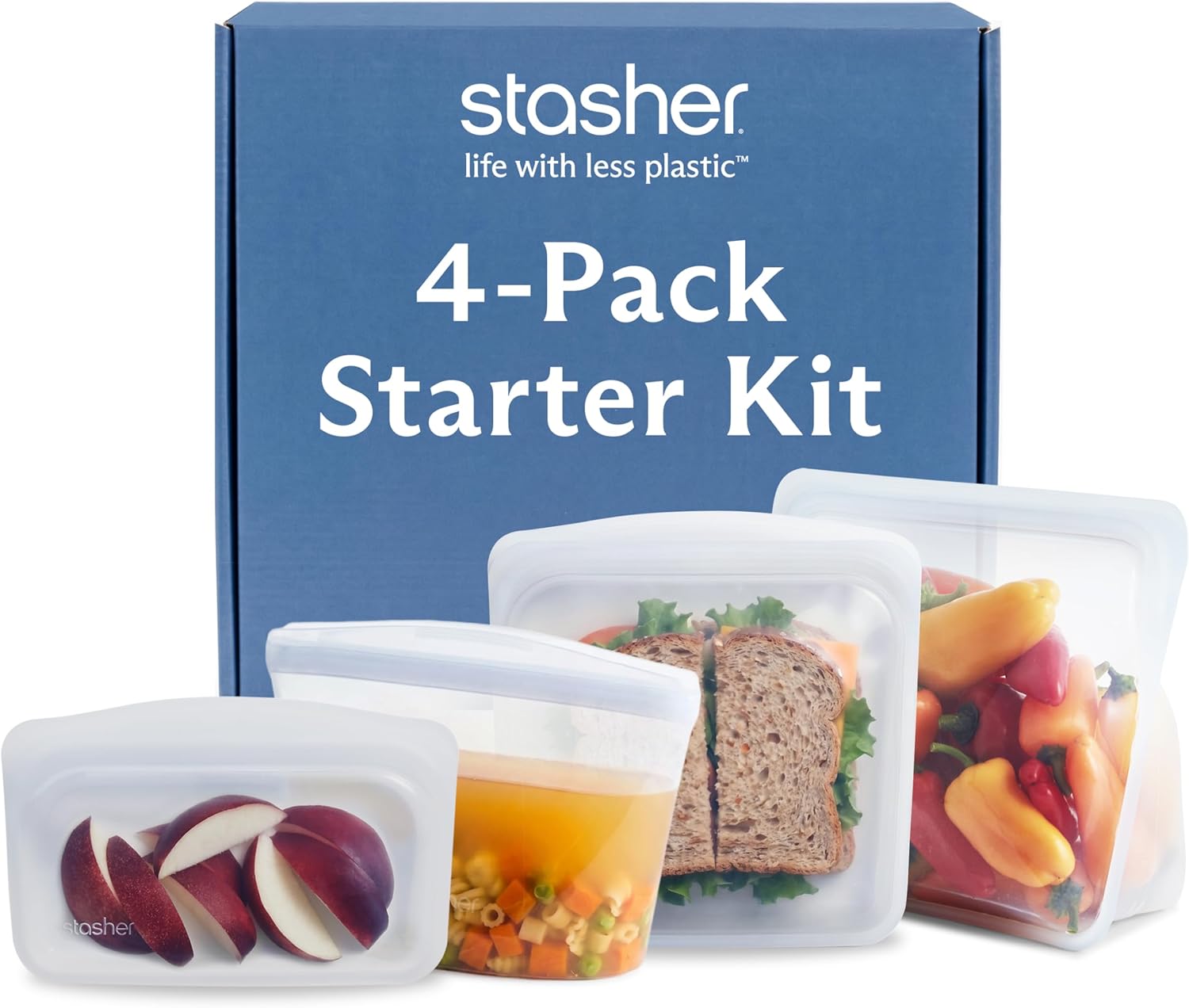
Reusable silicone food storage bags are eco-friendly alternatives to traditional plastic ziplock bags. They are made from food-grade silicone, which is safe, flexible, durable, and reusable for years.
Unlike plastic bags that are thrown away after one use, silicone bags can be washed and reused hundreds of times, making them a better option for both the environment and your wallet.
They are commonly used for:
- Food storage
- Meal prep
- Freezing food
- Packing snacks
- Organizing kitchen items
- Sometimes microwave use (depends on brand)
🔵 Key Features
- Made from high-quality food-grade silicone
- BPA-free and non-toxic materials
- Reusable and long-lasting
- Leak-proof and airtight design
- Suitable for fridge and freezer use
- Eco-friendly alternative to plastic bags
- Easy to wash by hand or dishwasher
These features make them ideal for daily kitchen use and sustainable living.
🟣 Pros
✔ Reduces plastic waste significantly
✔ Saves money over time compared to disposable bags
✔ Easy to clean and dishwasher safe
✔ Strong and durable material
✔ Great for meal prep and food organization
✔ Helps support a zero-waste lifestyle
🔴 Cons
❌ Higher initial cost than plastic bags
❌ Some brands are harder to seal properly
❌ Not all models are microwave-safe
❌ Needs proper cleaning to avoid odor buildup
❌ Quality varies between brands
🟡 Who Should Use Them?
Reusable silicone food storage bags are perfect for:
- People living a zero-waste lifestyle
- Eco-conscious families
- Meal prep enthusiasts
- Fitness-focused individuals
- Anyone trying to reduce plastic usage at home
- Travelers who want reusable snack storage
💰 Are Reusable Silicone Food Storage Bags Worth It?
Yes 👍 In most cases, they are absolutely worth it.
If your goal is to reduce plastic waste and invest in long-term kitchen solutions, then reusable silicone food storage bags are a smart choice.
Although the initial cost is higher than plastic bags, they last much longer and can be reused hundreds of times. This makes them more economical in the long run and better for the environment.
🟤 Best Ways to Use Silicone Bags
Here are practical everyday uses:
- Store fruits and vegetables
- Keep leftovers fresh
- Meal prep for the week
- Freeze soups, sauces, and cooked meals
- Pack snacks for school or travel
- Organize small kitchen ingredients
⭐ Eco-Friendly Kitchen Tip
If you are building a zero-waste kitchen, silicone bags work best when combined with other eco-friendly products like glass containers, beeswax wraps, and stainless steel bottles. This creates a fully sustainable kitchen system.
❓ Frequently Asked Questions
Are silicone food storage bags safe?
Yes, they are made from food-grade silicone and are BPA-free, making them safe for food storage.
Can you put them in the microwave?
Some brands are microwave-safe, but always check the product description before use.
Do they really replace plastic bags?
Yes, they are one of the best eco-friendly alternatives to single-use plastic bags.
💰 Final Verdict
Reusable silicone food storage bags are a great investment for anyone who wants to reduce plastic waste and adopt a more sustainable lifestyle.
They are durable, practical, and eco-friendly, making them a strong addition to any modern kitchen in 2026.
👉 If you are ready to start your zero-waste kitchen journey, check the best reusable silicone food storage bags on Amazon and choose a trusted brand that fits your needs.
Silicone food storage bags are considered safe for kitchen use and are widely used as an alternative to plastic storage solutions.
Learn more about silicone material here: https://en.wikipedia.org/wiki/Silicone